
Table Auditing, why does it matter?
Camila Escobar · June 17, 2026
Learn why table auditing matters in Praxsuite and how it helps teams track who changed what, when, and where. Understand how auditing improves accountability, supports compliance, strengthens data integrity, and makes operational history visible.
Table Auditing in Praxsuite records changes made to data so teams can understand who changed what, when, and where. Instead of relying on memory, manual notes, or external logs, auditing creates a built-in history of activity directly connected to each table and record.
This makes auditing an essential feature for organizations that need trust, accountability, and traceability in their operational data.
Why table auditing matters
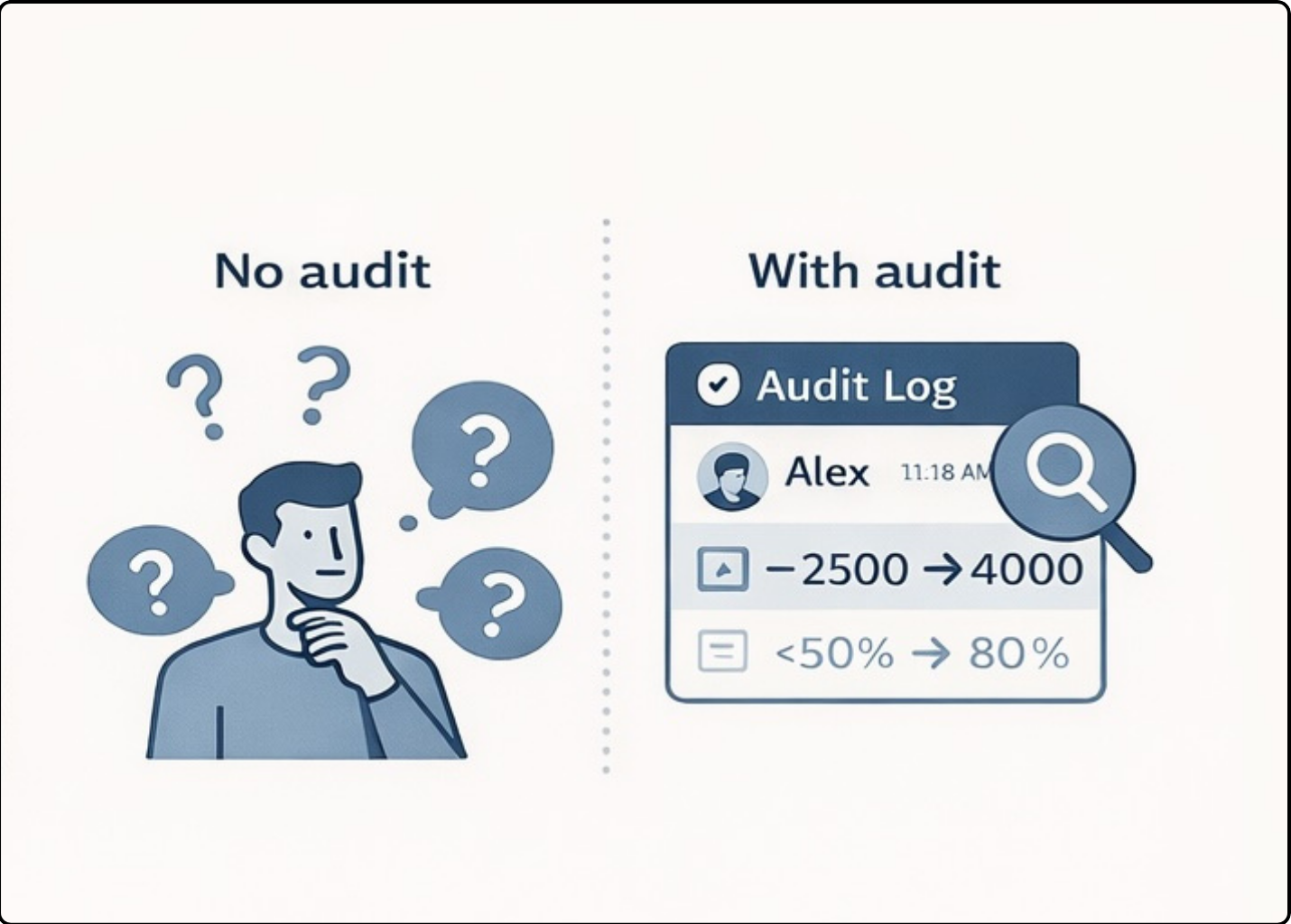
Auditing matters because data does not only need to be stored. In many cases, it also needs to be trusted.
When teams work in shared systems, records are created, updated, and reviewed by multiple users. Without auditing, it becomes difficult to answer basic but critical questions:
Who changed this value?
When was this field updated?
Was this record modified by an authorized user?
Is this number the original value or was it edited later?
Auditing solves that by creating a visible trail of changes.
Accountability and transparency
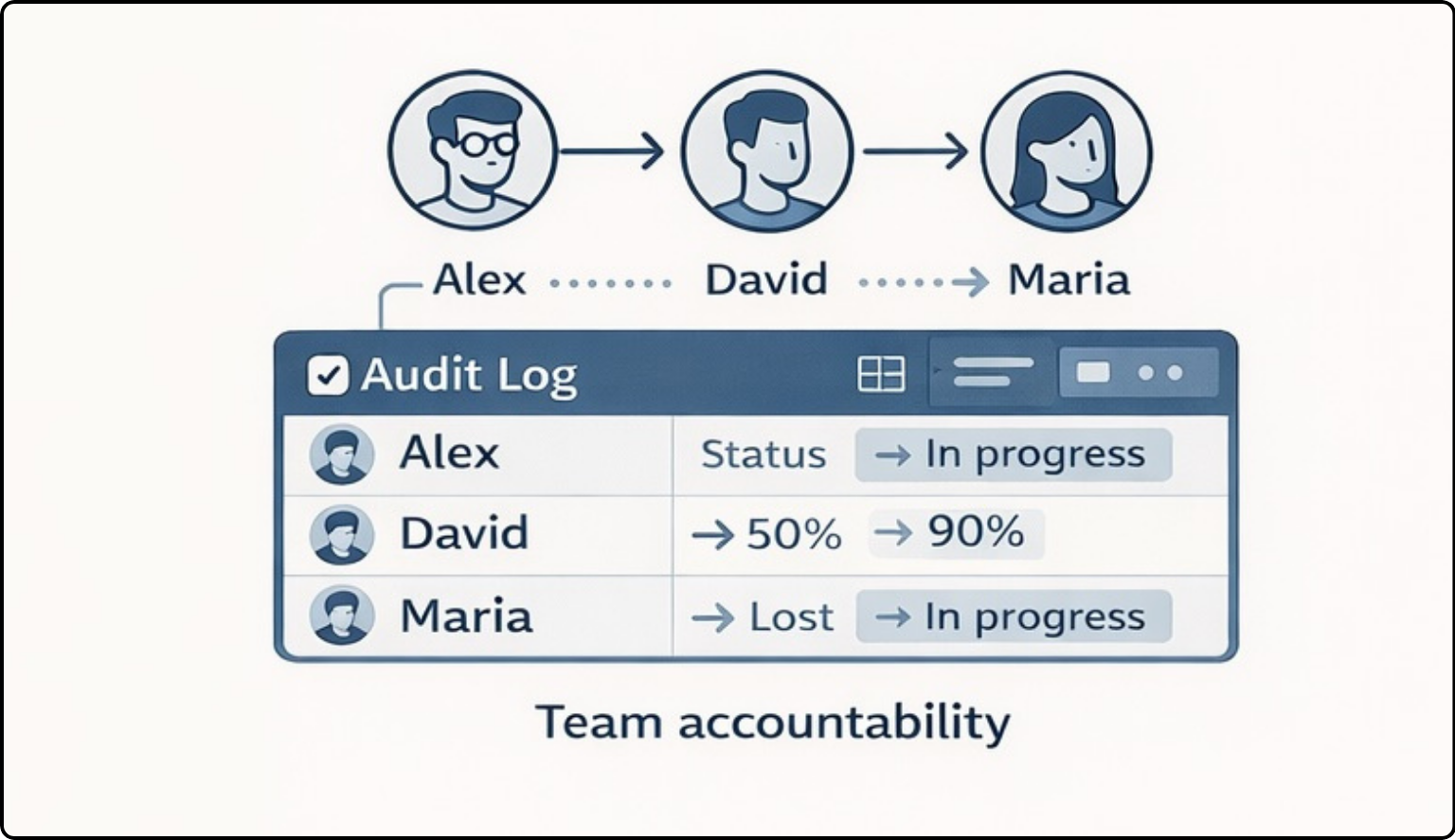
One of the main reasons auditing matters is that it links actions to users.
Every relevant change is tied to a specific person and timestamp. This makes work more transparent and reduces ambiguity when something changes unexpectedly.
Instead of asking a team who edited a record, the system can show the answer directly.
This helps create a stronger culture of accountability because users know that important changes remain traceable.
Stronger data integrity
Auditing also matters because it protects confidence in the data.
In operational systems, a record is often more than just information. It may represent:
a transaction
a customer update
a status change
a price adjustment
a compliance-related event
a decision with business impact
When those values change, teams need to know whether the data is still reliable.
By keeping a history of modifications, auditing helps users verify the integrity of critical records and understand how they evolved over time.
Fraud detection and anomaly investigation
Auditing is especially valuable when organizations need to investigate suspicious or unexpected activity.
If a record was changed incorrectly, if a value disappeared, or if a sensitive field was altered without explanation, auditing provides the trail needed to review what happened.
This is important not only for fraud detection, but also for identifying:
accidental edits
unauthorized changes
process failures
incorrect manual updates
Without auditing, these situations are much harder to investigate.
Compliance and regulation
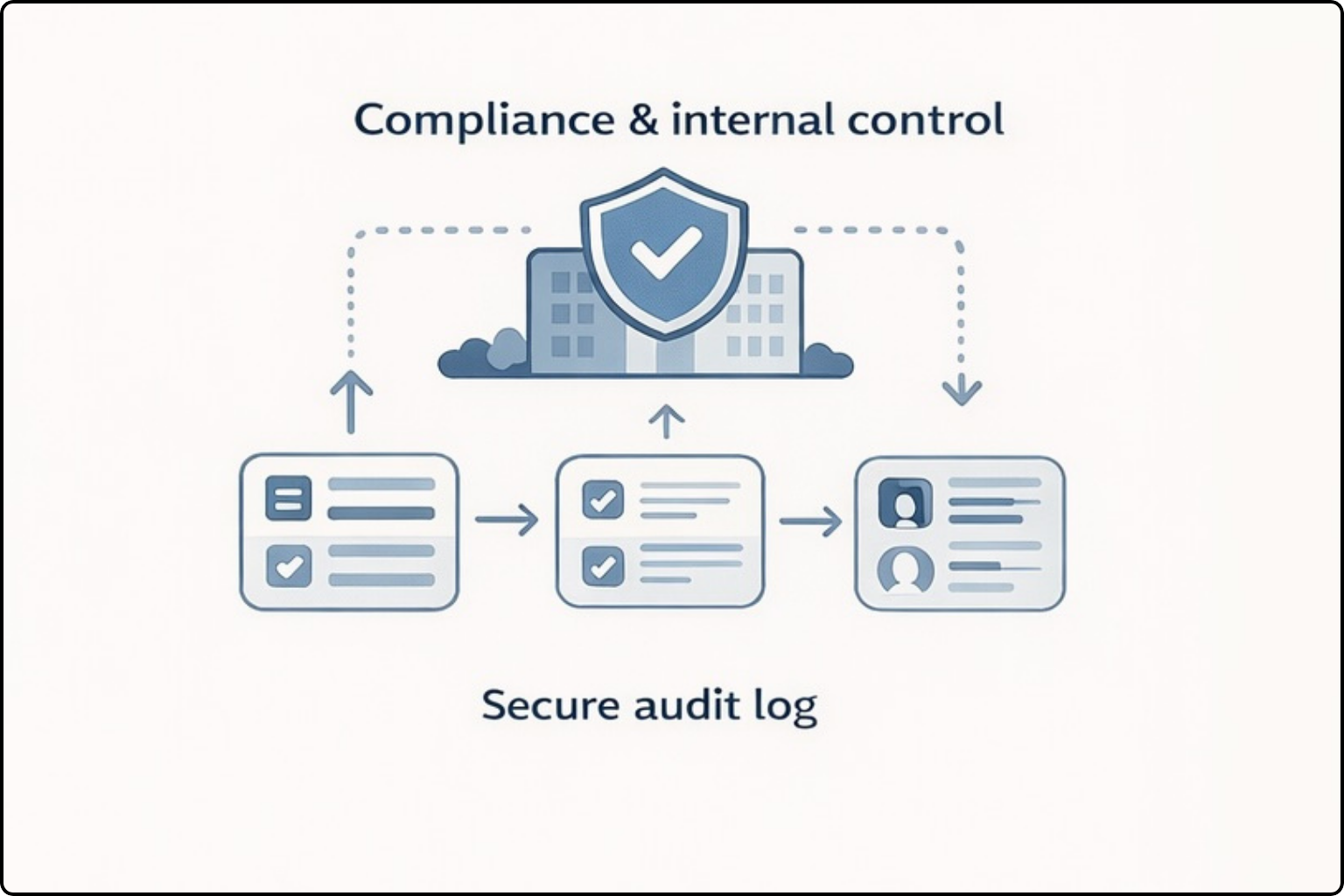
For many industries, auditing is not just useful. It is necessary.
Organizations in areas such as finance, healthcare, legal operations, human resources, and regulated services often need to demonstrate traceability over sensitive records.
Auditing supports that need by preserving a structured history of activity.
This helps organizations meet internal control requirements and external compliance expectations without depending on separate audit tools.
Faster dispute resolution
When data is shared across teams, disagreements can happen.
A team may believe a value was changed incorrectly. A manager may need to understand why a record no longer matches a previous report. A client-facing team may need to confirm whether an update was actually made.
Auditing helps resolve these situations faster because it provides evidence instead of guesswork.
Rather than debating what happened, users can review the audit trail and verify the sequence of changes.
Better operational control
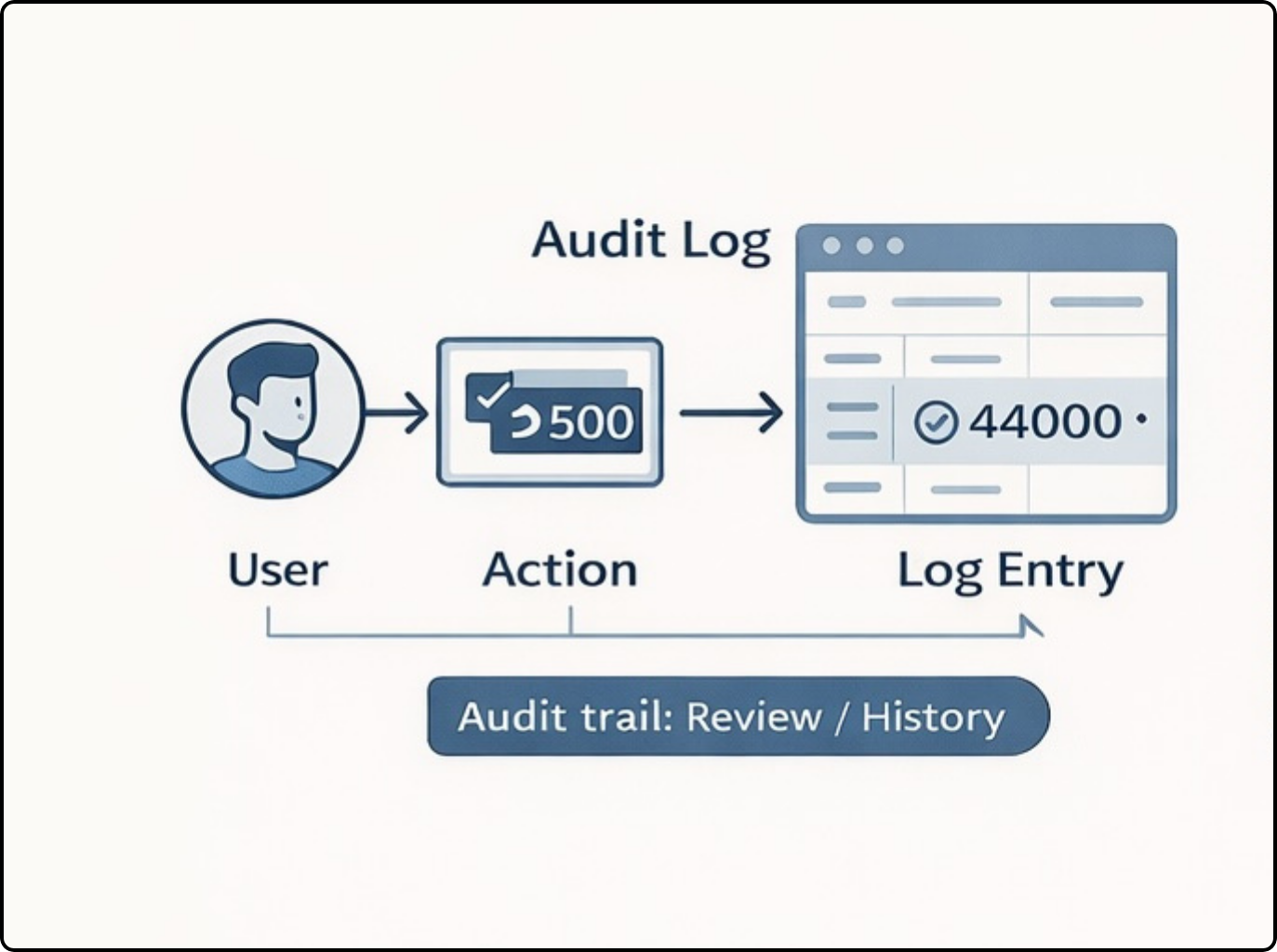
Auditing improves operational control because it helps teams monitor how data is being handled over time.
This is useful for:
reviewing activity in critical tables
validating sensitive updates
checking whether processes are being followed
identifying patterns of repeated edits
strengthening governance over business data
It turns table activity into something visible and reviewable, instead of hidden behind the latest saved value.
What auditing captures
A useful way to understand auditing is through four basic questions:
Who made the change
What was changed
When the change happened
Where the change took place
This structure is what makes audit information actionable. It gives context, not just a timestamp.
Native and automatic value
Another reason auditing matters is that it is far more useful when it is built into the system itself.
When auditing is native to the platform:
teams do not need separate logging tools
the audit trail remains tied to the actual data
records are easier to review in context
adoption is simpler because no extra process is required
This reduces complexity while increasing control.
Key idea
Table auditing matters because it makes data history visible.
It helps organizations:
build trust in shared records
increase accountability
investigate suspicious changes
support compliance requirements
resolve disputes faster
maintain stronger control over operational data